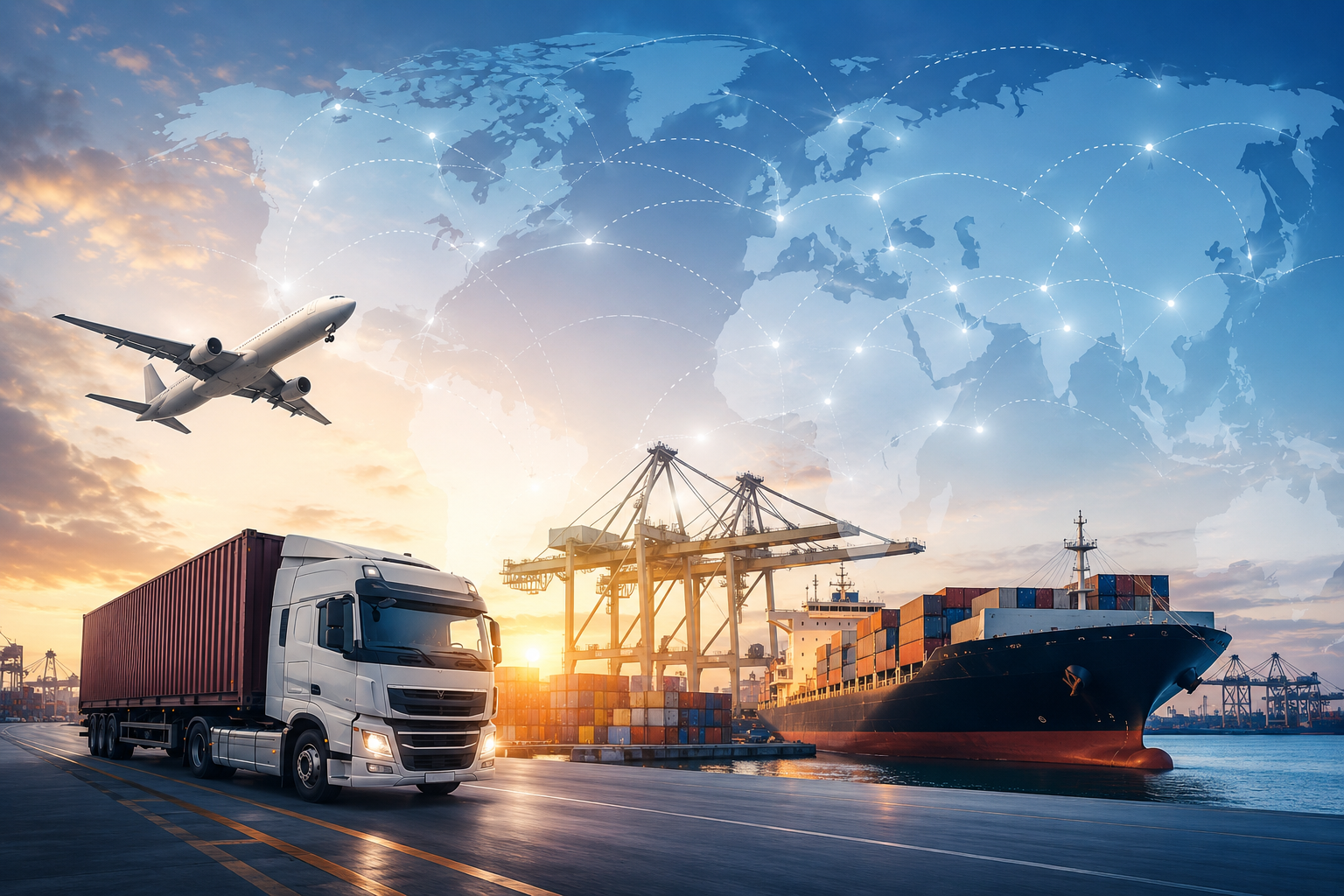
Rising international tensions in the Strait of Hormuz once again place transport and logistics in front of one of their biggest sources of uncertainty: energy costs.
Around one fifth of the world’s oil supply passes through this strategic maritime corridor, meaning that any conflict or threat to navigation security has an almost immediate impact on fuel prices and, consequently, on global supply chains.
For the transport sector, fuel remains one of the most significant operating costs. When oil prices rise sharply, logistics companies face higher distribution expenses, increased pressure on margins, and the need for constant operational adaptation.
In recent years, Spanish legislation has strengthened mechanisms for automatically adjusting transport prices according to fuel cost fluctuations. Royal Decree-Law 3/2022 and subsequent updates established the mandatory application of fuel surcharge revisions in road transport contracts.
Beyond the economic impact, geopolitical crises also create instability across global supply chains:
- possible shipping delays
- route changes
- higher logistics costs
- uncertainty in delivery times
As a result, planning, operational flexibility, and adaptability have become essential for logistics companies.
Businesses increasingly need to:
- anticipate international disruptions
- monitor cost developments
- optimize routes and loads
- improve coordination with suppliers and customers
- strengthen supply chain resilience
The logistics sector has already faced major challenges in recent years, including the pandemic, the energy crisis, port congestion, inflation, and international conflicts.
The situation in the Strait of Hormuz once again highlights how interconnected the global transport system has become, where tensions in a single strategic region can quickly affect costs, operations, and the movement of goods worldwide.
